
REIMAGINING ORAL HEALTH
What Is Myofunctional Therapy?
Myofunctional therapy is a gentle, exercise-based program that retrains the muscles of the mouth, face, and airway. These muscles play an important role in essential functions such as breathing, chewing, swallowing, speaking, and maintaining proper lip, tongue, and jaw posture.


“The exercises are quick and easy to fit into the day, It is easy to see your results even in a short time.”
—TL
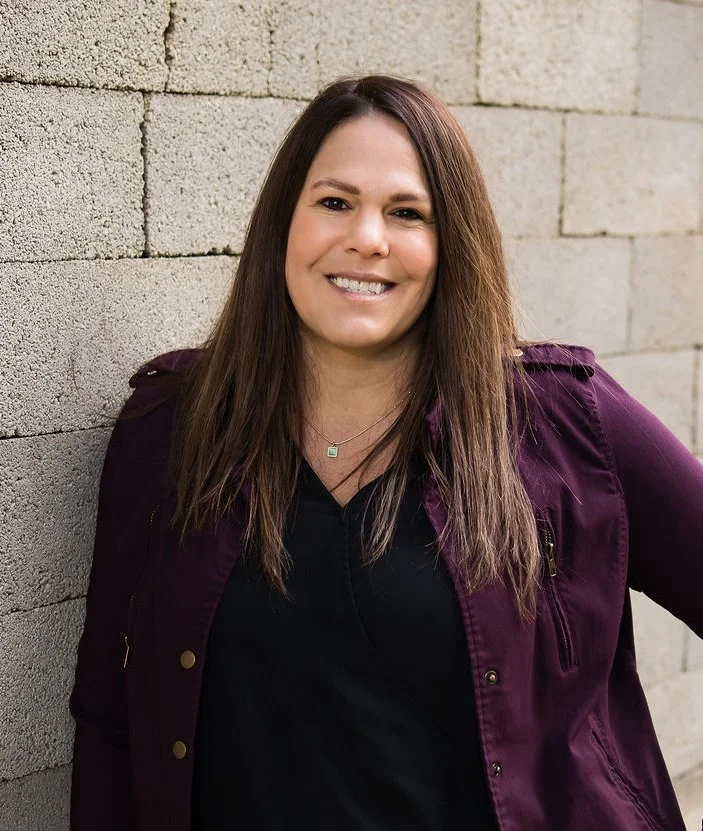

JENNIFER PORTER, RDH, COM®
Jennifer Porter is a dedicated dental hygienist, Certified Orofacial Myologist COM®, and clinical examiner with more than 30 years of experience in dental hygiene and professional leadership. Her work is guided by a core belief: restoring healthy oral function can profoundly improve a person’s overall quality of life.
She provides in-person care throughout Eastern Oregon and offers telemedicine services, making high-quality myofunctional therapy accessible to clients wherever they live.

Why It’s Important to Choose an IAOM Certified Orofacial Myologist COM®


SERVICES
Myofunctional Therapy Treatments
Treatment for Orofacial Myofunctional Disorders is highly individualized, but it ultimately centers on improving airway health and functional balance. When the airway becomes compromised—whether due to genetics or habits like chronic mouth breathing the body adapts in unhealthy ways. The tongue often settles low in the mouth, a pattern known as low tongue posture, which can affect facial growth and oral development.
Over time, this can contribute to a long, narrow facial structure, crowded teeth, snoring, tongue thrust swallowing, speech challenges, and, in adulthood, TMJ discomfort. During your initial appointment, a full evaluation is completed to identify contributing factors such as tongue- or lip-ties, narrow jaws, residual thumb- or pacifier-sucking habits, grinding or clenching, and overall body posture.

Myofunctional Therapy is appropriate for children, teens, and adults and can be highly effective when used alongside specialties such as dentistry, orthodontics, sleep medicine, ENT care, lactation consulting, and speech-language pathology.